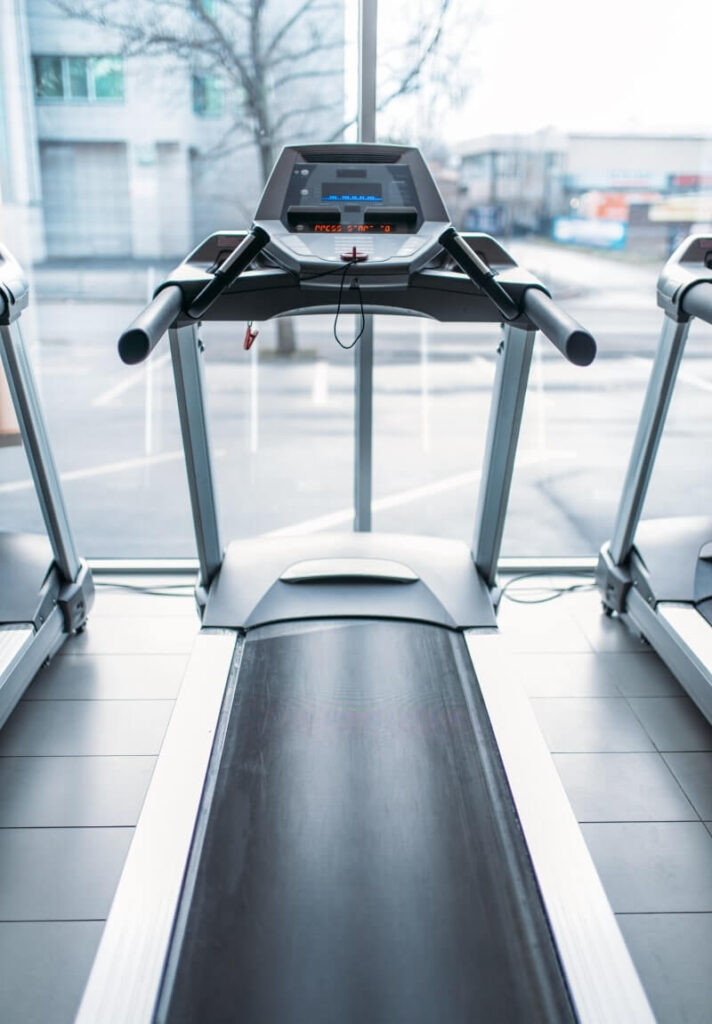
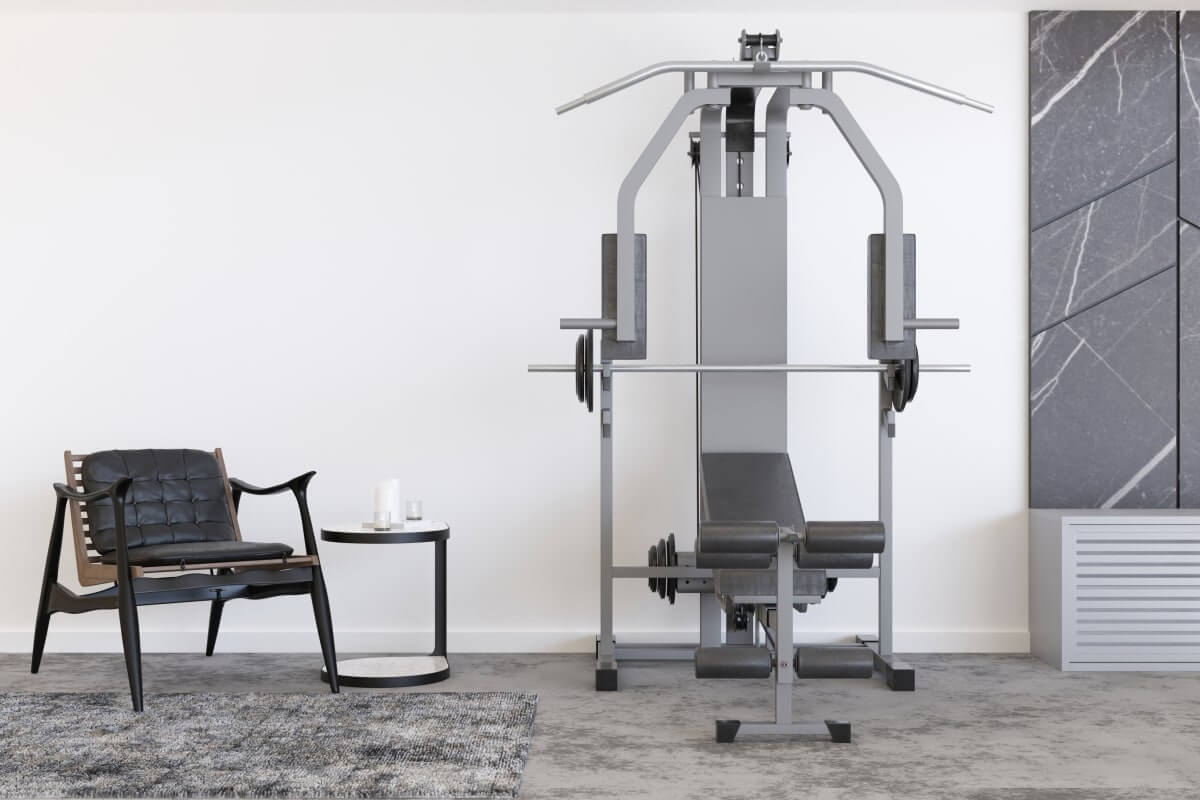
Most equipment breakdowns in commercial gyms are preventable. High-traffic facilities naturally experience wear, but unplanned downtime usually happens when early warning signs are missed. Preventive Maintenance Services help gyms stay ahead of failures, protect member experience, and reduce long-term repair costs.
- Preventive service reduces peak-hour breakdowns and out-of-order signs.
- Routine inspections catch wear before it becomes expensive damage.
- Cardio equipment usually needs more frequent attention than strength machines.
- Consistency improves safety, uptime, and member satisfaction.
Why preventive maintenance matters in commercial gyms
Commercial gyms run equipment hard. Cardio machines can operate for hours every day, and strength equipment sees thousands of repetitions weekly. That usage creates predictable wear on belts, bearings, cables, rollers, and electronics.
Preventive maintenance reduces the chance of sudden failures during peak hours. It also helps control costs by replacing or adjusting components before they cause damage to motors, drive systems, or structural parts.
What a preventive maintenance visit should include
A strong program addresses both safety and performance. The goal is to identify wear early, correct it, and confirm reliable operation before equipment returns to heavy daily use.
- Belt alignment and tension checks
- Deck wear inspection and evaluation
- Roller and bearing inspection
- Motor-area cleaning and airflow checks
- Console testing and error-code review
- Cable inspection for fray, stretch, and wear
- Pulley and bearing checks for smooth movement
- Hardware tightening and stability checks
- Weight stack alignment and guide rod inspection
- Lubrication when appropriate for the design
Recommended maintenance frequency for commercial gyms
Service frequency should match usage. As a practical baseline:
- High-traffic gyms: monthly or quarterly visits depending on equipment mix
- Moderate usage gyms: quarterly preventive maintenance
- Lower usage facilities: semi-annual preventive maintenance
Cardio equipment typically needs more frequent attention than strength equipment because it has motors, belts, and electronics operating continuously.
Repairs vs preventive maintenance
| Equipment Repair Services | Preventive Maintenance Services |
|---|---|
| Restores equipment after a failure | Reduces failures by catching wear early |
| Often unplanned and time-sensitive | Scheduled to fit your operations |
| Can cost more when damage spreads | Typically lowers total cost of ownership |
| Focus is getting equipment back online | Focus is keeping equipment online consistently |
FAQ
Is preventive maintenance worth it if our equipment is newer?
Yes. Newer equipment still experiences wear. Preventive care reduces early failures and helps keep machines operating safely under heavy daily use.
What should staff do between maintenance visits?
Log symptoms, clean equipment regularly, and take any machine that feels unsafe out of service. Notes on error codes and unusual noises help speed up service.
Can preventive maintenance reduce emergency repair calls?
In many facilities, yes. Routine inspections reduce surprise breakdowns during peak hours, which are often more expensive to resolve.
Request service
Ready to get your equipment working again?
Send the location, equipment details, symptoms, error codes, and photos when available.