
Your treadmill needs professional repair if a slipping belt, burning smell, repeated error code, or sudden shutdown makes it unsafe to use. Some problems are simple, but continuing to exercise on a machine that hesitates or loses power can make a repair more complicated and create a fall risk. Here are seven warning signs, safe checks you can make, and when to request professional treadmill repair in Metro Atlanta and North Georgia.
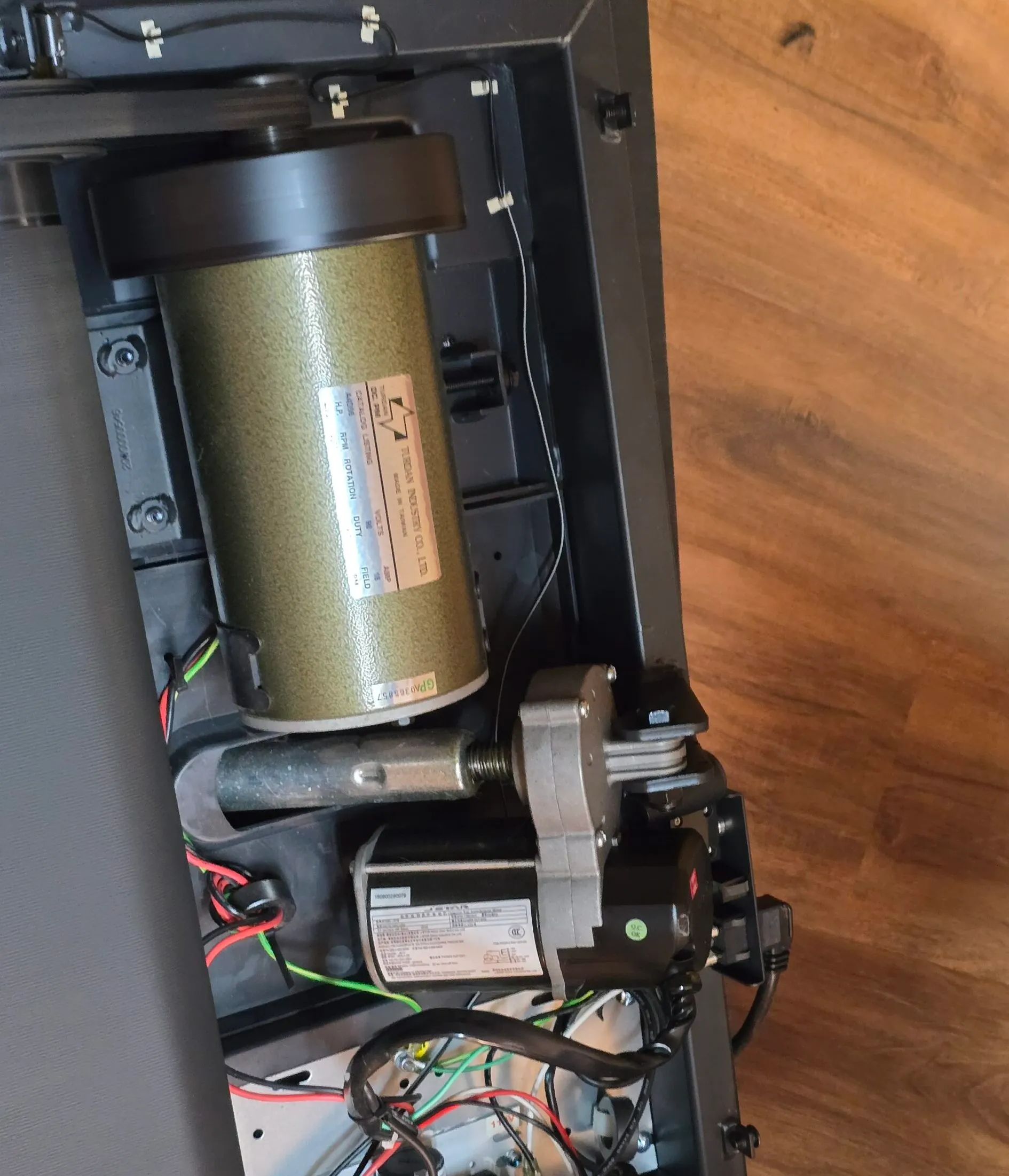
7 signs your treadmill needs professional repair
1. The walking belt slips, jerks, or slows underfoot
If the belt hesitates while you walk or run, stop using the treadmill. Belt tension, a worn walking belt or deck, drive components, and excess friction can all play a role. A technician can distinguish between them before a part is replaced. Do not keep tightening the belt by guesswork: too much tension can increase wear.
2. You smell burning or the machine trips a breaker
Switch the treadmill off, unplug it if safe, and leave it out of service. Heat or an electrical smell can have several causes, including friction or an electrical fault. Repeatedly resetting the breaker is not a repair. If you see smoke or signs of fire, follow your building’s emergency procedure.
3. Grinding, squealing, or knocking is getting louder
New or worsening noise may come from rollers, bearings, the drive system, or another moving component. Record when the sound occurs, at startup, under load, or during incline changes. That detail helps narrow the diagnosis. A noise paired with vibration or belt hesitation deserves prompt service.
4. The treadmill stops or loses power mid-workout
An unexpected stop is a safety issue. Note whether the console goes dark, the belt stops while the display remains on, or the machine restarts by itself. Those symptoms point to different checks. Avoid using the unit until the cause has been identified.
5. Error codes return after a restart
Write down the exact code and the treadmill’s brand and model number. Error codes are model-specific, so a generic internet fix may not apply. A technician can use the manufacturer’s documentation to test the relevant system instead of simply clearing the display.
6. The incline is stuck, uneven, or unresponsive
Incline problems can involve calibration, a lift mechanism, wiring, or controls. Do not force the deck or continue using a treadmill that feels unstable. Report whether the incline moves at all and whether you hear the lift motor when you press the control.
7. The belt drifts or the deck feels rough
A belt that tracks toward one edge, shows visible damage, or feels unusually rough should be checked before another workout. Cleaning, alignment, and lubrication requirements vary by model. Some treadmills have maintenance-free belts or decks, so use only the procedure and product specified by the manufacturer.
What you can safely check first
- Stop the treadmill and unplug it before any visual inspection.
- Check the safety key, power cord, and accessible outlet without opening electrical compartments.
- Look for visible belt damage, debris, or an object obstructing movement.
- Record the error code, model number, and a short video of the symptom if it is safe to do so.
- Consult the owner’s manual for model-specific maintenance. Life Fitness’s maintenance guidance is one example of why procedures differ by machine. Do not apply lubricant or adjust tension based on a generic measurement.
Keep it out of service if the belt slips underfoot, the machine shuts down unpredictably, you smell burning, or you notice smoke or exposed wiring. Gym and facility managers should clearly mark an unsafe unit unavailable until it has been checked.
Repair or replace?
There is no dependable one-size-fits-all repair price. The decision depends on the actual fault, the treadmill’s age and condition, parts availability, and the cost of a comparable replacement. An on-site diagnosis lets you compare a specific repair plan with replacement instead of relying on generic national price ranges.
For gyms, apartments, hotels, schools, and physical therapy spaces, downtime and user safety also matter. Regular preventative maintenance can help identify wear before an unexpected outage, though it cannot prevent every failure.
Local treadmill repair in Metro Atlanta and North Georgia
IONGymTech provides on-site treadmill repair for home and commercial equipment across Metro Atlanta and North Georgia, including Canton, Woodstock, Alpharetta, Roswell, Marietta, and nearby communities. We inspect the symptom, explain what we find, and review the practical next step based on the machine and available parts. For other cardio machines, see our cardio equipment service.
Frequently asked questions
Is a slipping treadmill belt safe to use?
No. A sudden change in belt speed can cause a fall. Stop using the machine until the cause is identified and corrected.
Can I lubricate my treadmill belt myself?
Only if your specific model’s manual calls for it, and only with the specified product and procedure. Requirements differ between brands and models.
What information helps when I request service?
Send the brand, model and serial number, your city, the exact symptom or error code, and photos or a short video if safe. This helps us prepare for a useful diagnostic visit.
Get your treadmill safely back in service
Tell us your city, treadmill brand and model, and what the machine is doing. IONGymTech will help you plan the next step. Prefer to call? 404-647-0093.
